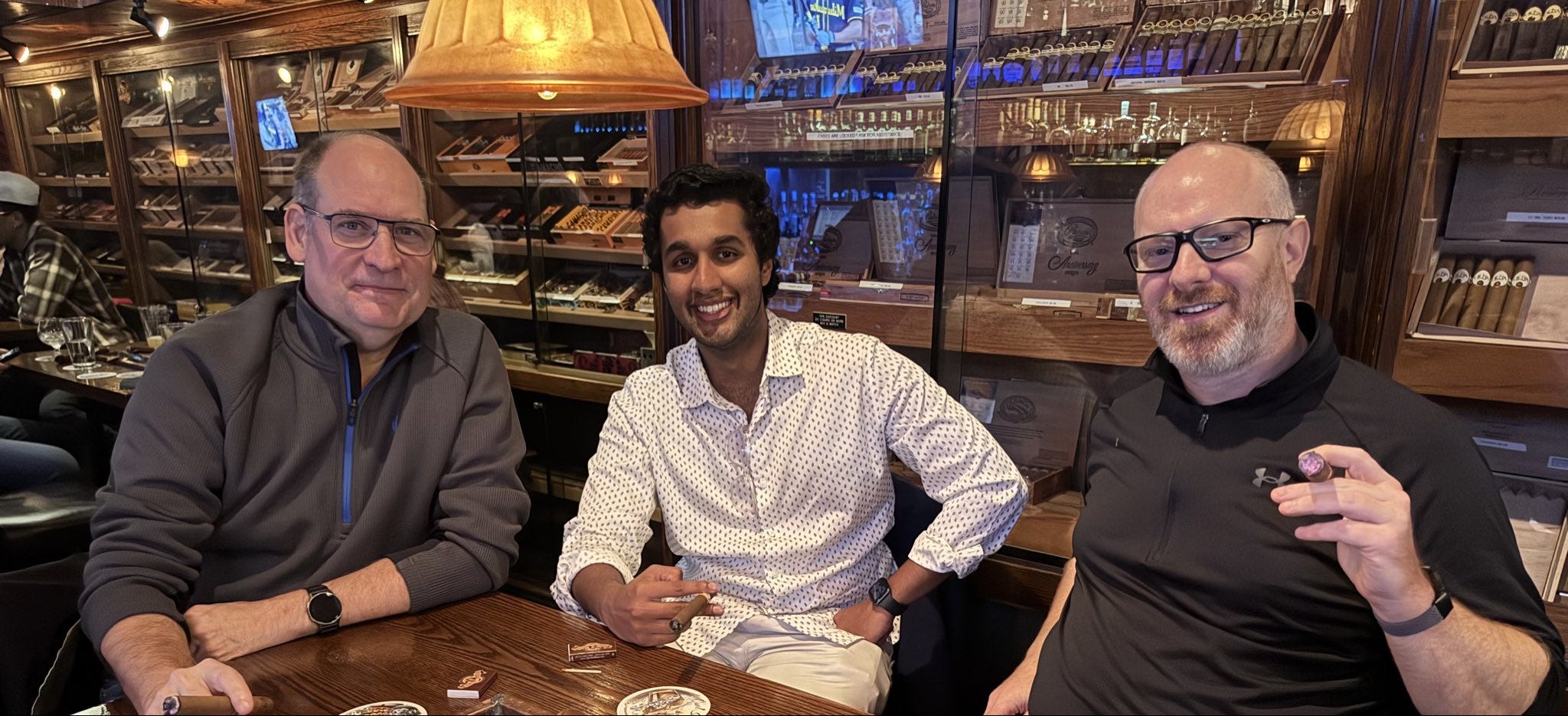
The Skyline Moment
The story of how Skyline Standard came together

They say you’ll find that epiphany on a walk in the woods or isolated in an off-grid cabin. But it ain’t so.
I tell you this with confidence, because I believed this lie and had to learn the hard way. I’ve done the deep soul-searching, I’ve done the isolation, and I found no clarification or ideas from those exercises.
The universe rewards action, and the universe rewards collaboration. If you want a great idea and that euphoric feeling of discovery, go find some smart people and think things through with them. Find the kind of people that will tell you hard truths and that will push back against your ideas.
Lock yourself in a room with such people for long enough and you’ll eventually have that eureka moment.
That is where good ideas come from. Not from a meditative state, but from rolling up your sleeves and working through details, poking holes, throwing out “what ifs”, and being unafraid to suggest something stupid to smart people who are unafraid to tell you when the idea is, in fact, stupid.
This is a story of one of those moments. It is also the story of John Armstrong, the story of Chris Paul, and the story of Skyline Standard.
John Armstrong had an idea he couldn’t shake. The proxy voting process had become disconnected from actual shareholders and John wanted to build the tools and automations that would put governance and proxy voting back into the hands of the investors.
He’d spent 25 years leading technology teams at some of the largest asset managers, but he’d never had the urge to just go start his own company. It’s a big dream, and it’s a huge risk - financially, emotionally and reputationally.
John went for it. He put it all on the line and launched Civex. And then a few people came along for the ride with him.
Nobody was getting paid. They had to build before they could secure investors or revenue, so people were either working nights and weekends in addition to their other jobs, or dipped into their savings to help build Civex with John.
They built an incredible platform, and then faced the classic startup dilemma where they needed capital to pay for data, they needed the data to onboard users, and needed users to secure capital.
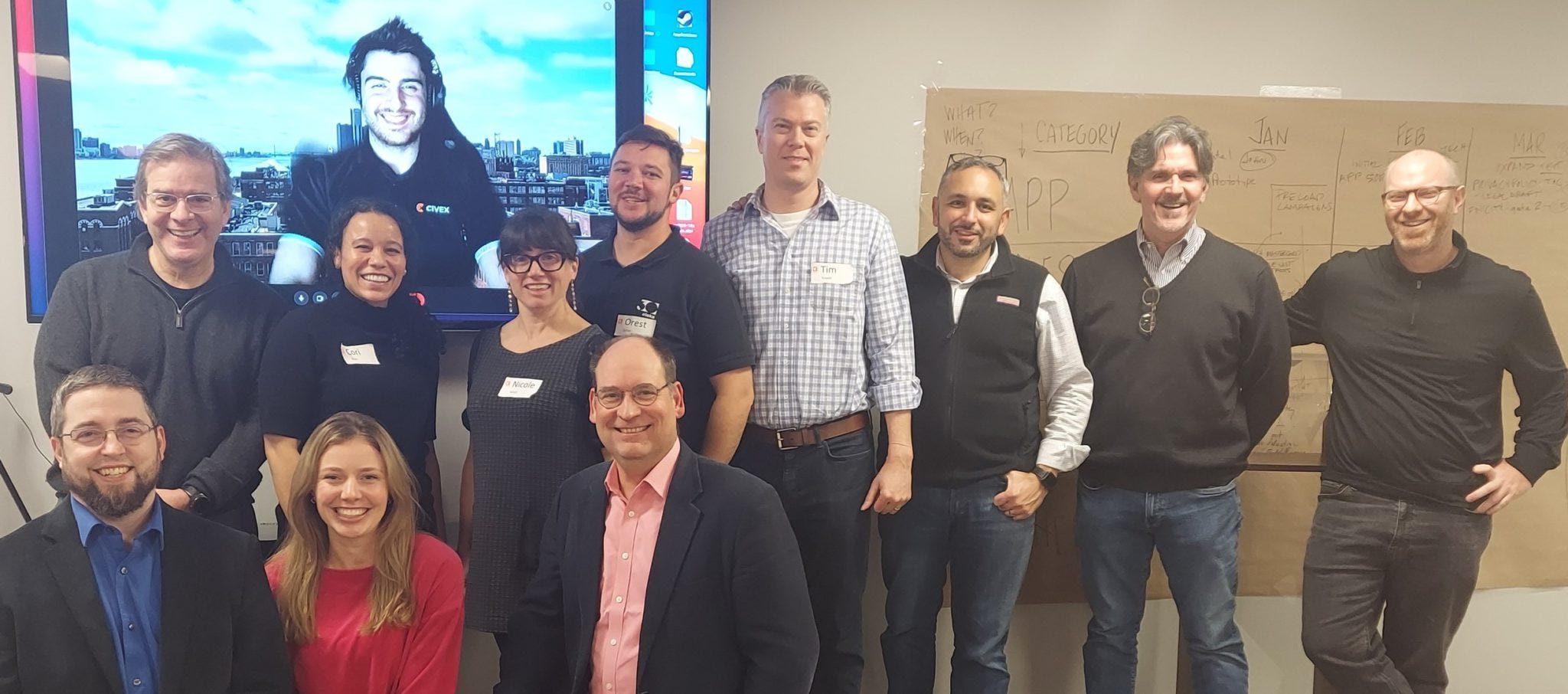
A breakthrough came in the form of a verbal offer from a much larger company to acquire Civex and partner with John and his team to continue building Civex in his vision. That offer would soon be rescinded due to macro factors unrelated to the company, and the whole thing broke John’s heart. It broke my heart too. Broke a lot of hearts.
The final chapter of Civex may still come, we’ll see what the future holds. There have already been enough highs and lows to learn a lot about the business and John’s leadership.
Leadership and character aren’t tested at euphoric highs or during the monotony of business-as-usual. No, it’s in the darkest moments that reveal these things. It’s in the darkest moments that a leader can prove that they can still inspire, that they can keep their composure, that they can absorb responsibility instead of pointing fingers, and that they can keep a team looking towards a promising future.
Through the ups and downs John would gather the team for “Feel Good Friday” calls to discuss wins and losses, and what was next. He didn’t hide, he didn’t blame and he didn’t change. He always put the interests of his investors and employees first.
All the blood, sweat, tears and money that had been spent on the project didn’t change John’s demeanor, or his character. I know this because I was an advisor to the company. I got to see it firsthand. This is the guy you want watching your back in a foxhole.
A couple years later I called John. I had to tell him about this young kid I met who was working on tokenizing real estate and asked me to be an advisor to his startup. John happens to be an expert in blockchains and tokenization, and I needed to vet the technology. Besides, I knew these two would hit it off.
So I introduced John to Chris Paul.
Chris is the son of a genius AI robotics engineer who brought his family to Michigan from India when Chris was a young child. Immigration is rarely easy, and working for a startup made the challenges even harder.
Chris saw his father working so hard and struggling so much in those early years, that he made one promise to himself: I will never be a startup founder.
And then, over time, those same highs and lows that made entrepreneurship so painful for his father became intoxicating to Chris as he matured.
He wrote a thesis with his friend and co-founder Riley about putting real estate on the blockchain long before the concept was more widely shared, and they won a small grant from the University to build their first startup, Colony.
Despite his mother begging him to get a real job, he went about working through the technological and regulatory obstacles to building an on-chain real estate marketplace.
So Chris and Riley didn’t have much, but they had the MSU grant, they had youthful starry-eyed optimism, and they had an incredible ability to build and execute.
What they didn’t know they had, and what would soon become tested, was their resilience.
I’ve written about the Trough of Sorrow, and that’s exactly where they landed. Along the way they encountered shifting and unclear regulatory rules of the road which made it difficult for any company that couldn’t afford a team of regulatory lobbyists to navigate.
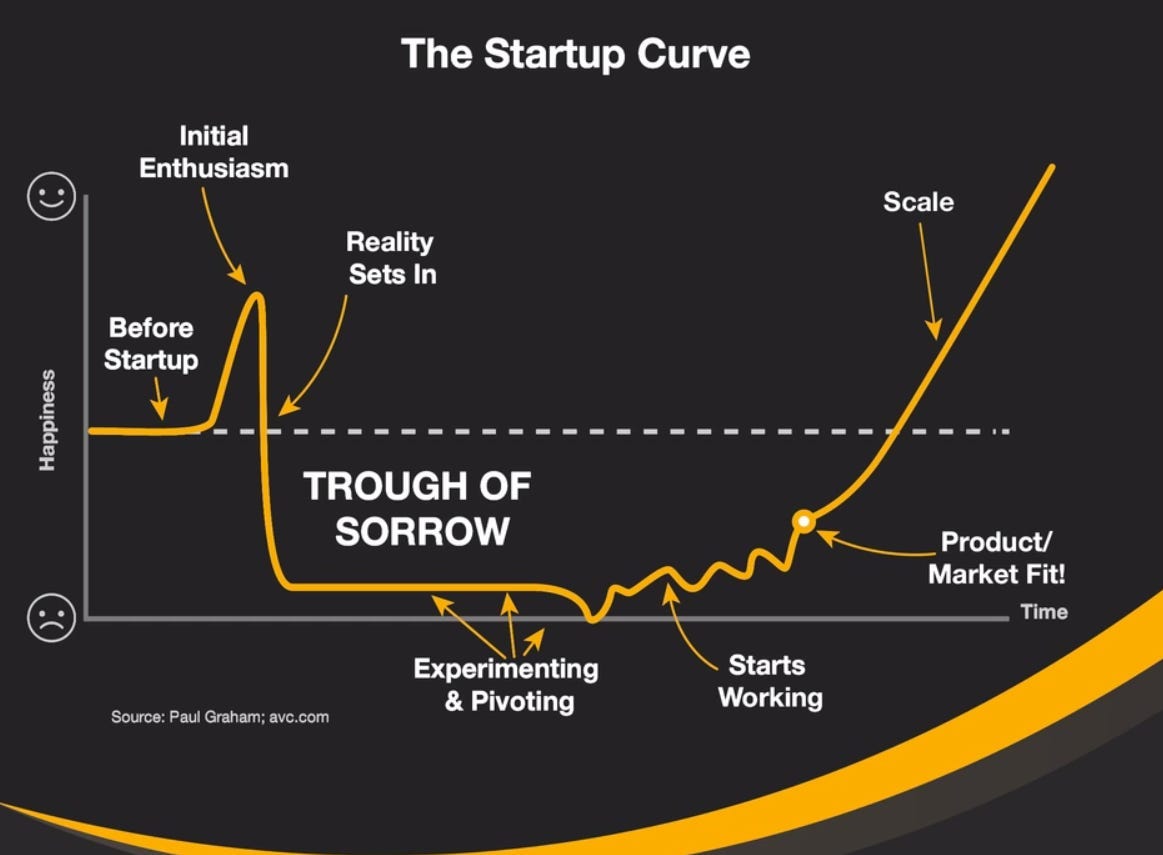
And then a well-pedigreed advisor came along who took substantial equity in return for the promise of introductions that never materialized. While their friends saw their careers take off, Chris and Riley were stuck in place.
So they pivoted. They moved on from the idea of a trading marketplace and built tools that allow asset owners to tokenize those assets directly. It was a brilliant pivot to a new company called Clara.
And then Riley got recruited to lead a new department at a Fortune 500 company focusing on blockchain applications. He’d given it everything he had and was just not in a position to turn it down.
Chris was now alone, with no funding, an MVP-level product, and a circle of friends and family giving him I-told-you-so looks.
He pressed on. Chris Paul doesn’t give up easily.
The call between John and Chris went as expected. John offered to invest in Chris’ company Clara. Both John and I were offered and accepted positions as formal advisors for Chris.
Something was happening here, but we didn’t know what it was.
I started this post off by talking about how good ideas come from collaboration and debate, and that’s exactly how Skyline Standard came to be.
Chris had a platform that allowed real estate companies to tokenize their assets, but we didn’t know if the concept of tokenization would even resonate with real estate operating companies. It makes so much sense, but traction has been slow.
We get deep into the real estate industry. We needed to know where the pain-points were, and to be honest with ourselves about the value we could provide and how we could save these companies time and money. So we went to talk to Justin Goldberg.
And that’s where the magic happened. That’s where the Big Idea came from.
John, Chris, Justin and I were locked in a conference room. Whiteboarding ideas and mapping out the future of real estate tokenization and liquidity.
The kind of people that will tell you the hard truths and that will push back against your ideas.
Rolling up our sleeves, working through details, poking holes, throwing out “what ifs”, and being unafraid to suggest something stupid.
And when we thought we had it, John looks at the whiteboard and says “you know, I wouldn’t buy this token. I wouldn’t buy real estate like this. I wouldn’t trust it.”
That was it. That was the moment. That was when we knew what we had to solve.
That was when John and Chris and I all decided to devote ourselves for the next decade to building Skyline Standard. To build the trust layer for real estate.
Because better liquidity and trading only work once we’ve solved for trust.
Because real estate operating companies deserve the same liquidity that bond and stock issuers enjoy. And because institutional investors deserve more efficient ways to access real estate quickly, efficiently, and directly.
That’s our mission and this is our team. I’ve got their backs and they’ve got mine. We are in this together. We have a shared vision and a relentless desire to get it right for our clients.
We believe in ourselves and we are all in. All three of us have faced failure, we’ve learned from it, and we’re still here. Still fighting. We are still fighting because we believe in ourselves.
I believe in Chris Paul.
I believe in John Armstrong.
I believe in myself.
And I believe in Skyline Standard.