I, Banana
The elegant efficiency of free market economics

I’ve written before about the invisible hand of free market economics, and the beauty and simplicity of Leonard Read’s classic essay I, Pencil. I am revisiting this concept in the aftermath of the hilarious/horrifying subsidized/communist grocery store announcement from Zohran Mamdani.
All of this was bouncing around my head as I walking into Trader Joe’s and spent a grand total of .40 cents for a banana. What goes into getting that exact banana at the exact moment it turns ripe into that Trader Joe’s, well read on to learn about it.
The idea that a TikTok communist can do it more efficiently is, well, bananas.
So here is my version of Read’s essay, I Banana. All of this happens every single day, powered by the elegant efficiency of free market economics.
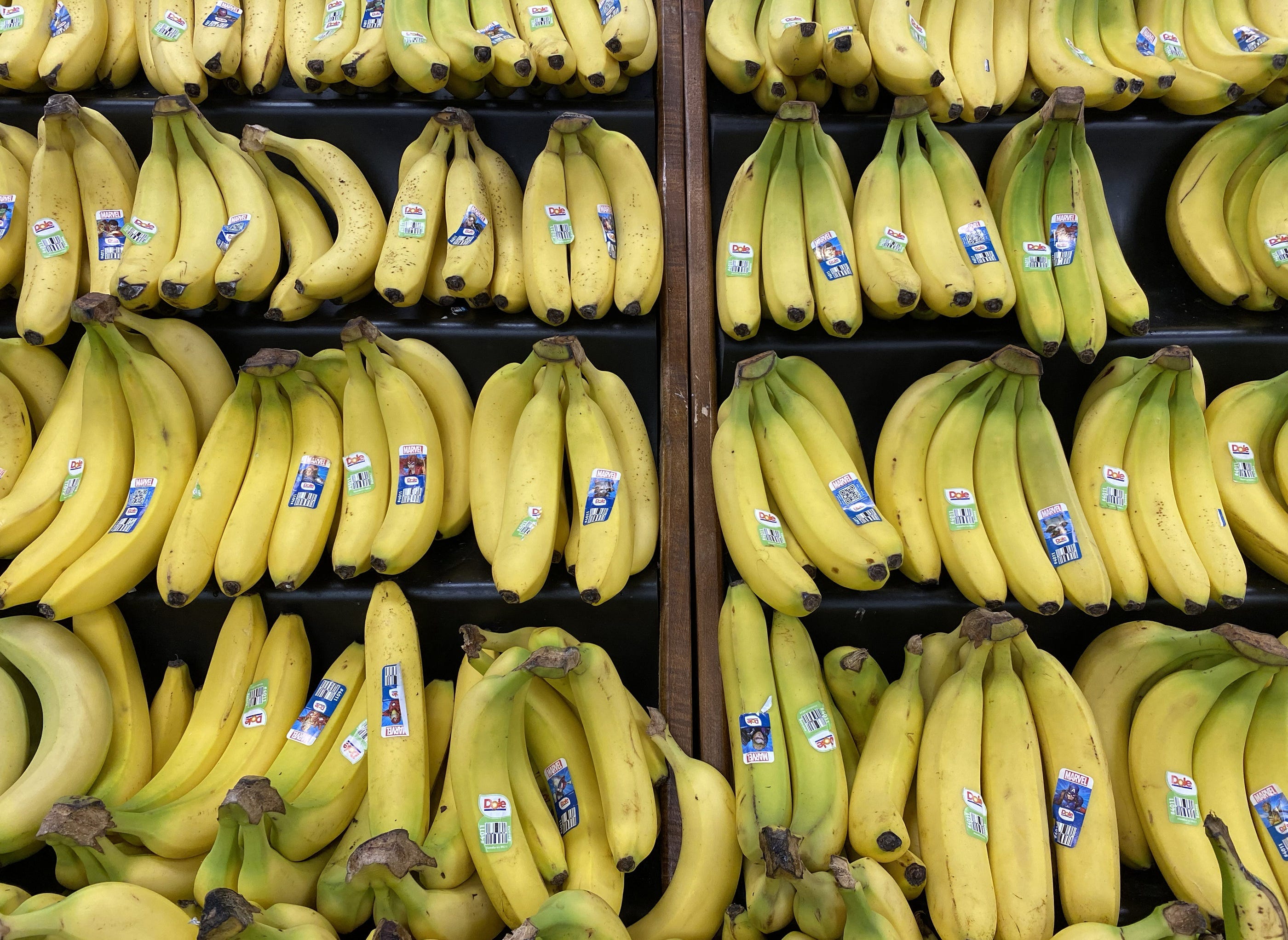
I am a banana, although the grocer identifies me more efficiently as 4011.
I sit beneath fluorescent lights in a Queens supermarket, between a green cousin who arrived too early and a spotted cousin who may be turned into bread. In early 2026, Americans paid about 65 cents a pound for bananas. That makes me worth roughly a quarter. A gumball can cost more.
Do not confuse my price with simplicity.
I began as a few living cells in a laboratory. I am a Cavendish, the familiar supermarket banana, and I have no useful seeds. I am a clone. A technician in Guatemala cut tissue from another plant, sterilized it, fed it nutrients in a small vessel, and multiplied it under electric lights. She did not create the tissue culture medium, the glass, the scalpel, the disinfectant, or the electricity. Each came with a family history of its own.
Once I had roots and leaves, a nursery worker hardened my plantlet for the outside world. A truck carried it to a plantation in Izabal, near Guatemala’s Caribbean coast. Someone bought that truck. Someone financed the farm. Someone surveyed the land, repaired the road, cleared the drainage ditch, tested the soil, forecast the rain, insured the crop, and kept the payroll.
My plant was not really a tree. A banana plant is a giant herb whose apparent trunk is a cylinder of tightly wrapped leaves. It took most of a year to produce one heavy bunch. Then that stalk’s work was finished. Another shoot was already rising from the underground corm to replace it.
During those months, people tended to me constantly. Workers removed damaged leaves, cleared weeds, managed irrigation, supported the plant against the weight of the bunch, and covered the fruit with a plastic sleeve to protect it from insects and scars. Colored tags told the harvest crew when the bunch had emerged. Agronomists watched for Black Sigatoka and other diseases. Laboratory researchers worried about Tropical Race 4, a strain of Fusarium wilt that can move through soil and destroy the genetically uniform Cavendish plants on which the export trade depends.
The fertilizer beside my roots carried nitrogen fixed with natural gas, phosphate dug from rock, and potash lifted from a mine. The irrigation pump contained steel, copper, rubber, and electronics. The worker who applied a crop treatment needed boots, gloves, protective clothing, clean water, and training. Behind each item stood another set of workers who had never seen Guatemala and had no particular interest in bananas.
There were other people in the field whom a romantic account might overlook. The mechanic who kept the tractor alive. The cook who fed the crew. The union representative who argued over wages. The safety inspector who checked chemical storage. The certification auditor who followed documents backward through the farm. The accountant who converted boxes, hours, fuel, rejects, and rainfall into costs.
When my edges had rounded but my skin was still hard and green, a cutter judged me ready. One worker notched the stalk. Another guided the falling bunch onto a padded shoulder so the fruit would not strike the ground. The bunch was hung from an overhead cable and pulled toward the packing house with hundreds of others.
There, another crew separated the bunch into hands, washed away latex and dirt, trimmed the crowns, rejected bruised fruit, graded the rest, and placed small stickers on selected bananas. Packers nested the hands into ventilated corrugated boxes, using just enough plastic liner to control moisture and just enough space to let cold air move.
The box had its own genealogy. Trees became pulp. Pulp became kraft paper. A corrugator added flutes for strength. Other factories supplied starch adhesive, ink, labels, and plastic film. A sawmill produced the pallet. A steel mill produced the nails. None of those businesses had to understand banana biology. They only had to make something useful at a price the packer preferred to the alternatives.
Rejected bananas did not all disappear. Some entered local markets. Some became puree, animal feed, compost, or waste. The distinction mattered because every rejected box had already consumed land, labor, fertilizer, water, and time. Waste is not merely sad in my business. It is expensive.
I left the packing house green by design. A yellow banana would be dead on arrival.
My box was cooled and stacked on a pallet inside a refrigerated container. The machine was told to keep me near 13 to 14 degrees Celsius, cold enough to slow my respiration but not cold enough to injure me. A few degrees in either direction could ruin the trip. Controlled atmosphere equipment lowered oxygen and raised carbon dioxide, extending the period before I began to ripen. Sensors watched temperature, humidity, and gases while software reported exceptions to people far away.
Consider the ancestry of that one container. Iron ore became steel. Copper became wire. Petroleum became insulation and fuel. Engineers designed a compressor. Chemists developed refrigerants and lubricants. Programmers wrote monitoring software. Semiconductor factories made the sensors. Satellites helped locate the ship. Electricians, welders, machinists, and dock mechanics kept the entire contraption working. I occupied only a few inches of it, for only a few days, and paid only a microscopic share of its cost.
A driver hauled me to Puerto Barrios. A freight forwarder matched documents to cargo. Export officials cleared the shipment. A dispatcher reserved space. Crane operators lifted the container aboard a vessel serving the American Northeast.
A bank financed the weeks between harvest and retail sale. Foreign exchange turned the buyer’s dollars into Guatemalan quetzales. Contracts and insurance policies decided who would pay if the ship was late, the refrigeration failed, or the fruit spoiled. Those documents were another kind of refrigeration. They made risk bearable enough for strangers to trade across an ocean.
The ship sailed for Wilmington, Delaware, the largest banana port in North America. Its captain did not know how to grow me. The grower did not know how to navigate a container ship. The refrigeration engineer did not know which Queens grocer would eventually order me. Yet their work fitted together.
The ship required a crew, fuel, charts, insurance, finance, spare parts, weather data, a classification society, and a berth. A harbor pilot guided it in. Tug crews stood ready. Longshore workers moved the container. Customs officers reviewed the entry. Agriculture specialists looked for insects and plant diseases that could hitchhike into the country. If they found the wrong passenger, the shipment could be quarantined, treated, reexported, or destroyed.
From Wilmington, a truck carried me north to a banana ripener in the Bronx. Until then, nearly everyone had worked to keep me asleep. Now a specialist had to wake me at exactly the right moment.
The ripening room was warm, humid, pressurized, and filled with forced air. For a day or two, a carefully measured dose of ethylene told every banana in the boxes to begin ripening together. Starch began turning to sugar. Green skin moved toward yellow. The fruit generated heat, which the refrigeration system then had to remove.
The ripener was not guessing only about fruit. He was guessing about people. How many bananas would New Yorkers want five days from now? Would rain reduce foot traffic? Was a school closed? Was a grocery running a promotion? Did another shipment arrive late? Customers ordered different color stages, from green to ready to eat. Once ripening began, there was no pause button. A mistake would soon smell sweet and turn brown.
Before dawn, another crew loaded my box onto another truck. The driver crossed bridges and toll lanes, found a legal place to stop, and delivered me to a store with rent, lights, insurance, refrigeration, card fees, taxes, sanitation bills, and employees. A produce clerk opened the box, inspected me, and arranged me with the curve facing outward. A cashier eventually weighed me. Somewhere, a bookkeeper reconciled the sale.
That is the physical journey. The stranger part is that nobody planned it.
Many people made plans. The farm manager scheduled harvests. The shipping line scheduled vessels. The ripener scheduled rooms. The grocer scheduled workers. A large fruit company may own farms, ships, warehouses, and ripening centers. Inside each business, managers give orders.
But nobody designed the whole system. No banana commissioner decided how many plantlets Guatemala should grow, how many refrigerated containers Wilmington should prepare, or which shade of yellow a grocer in Queens would need on a Tuesday. Even the largest fruit company operates inside a wider network of competitors, suppliers, lenders, workers, regulators, and customers it cannot command.
Prices do much of the talking.
When storms and heavy rain reduced exportable fruit from Guatemala and Costa Rica in 2025, American imports fell to their lowest level in more than a decade. Fruit became harder to source and more expensive. That higher price carried many messages at once. Consumers could buy fewer bananas or choose another fruit. Grocers could adjust promotions. Importers could seek other farms. Growers could justify rehabilitation, drainage, disease control, or new acreage. Insurers could reprice risk. Nobody receiving the message needed to know the whole weather report.
The process works in reverse too. If ripening rooms fill with yellow fruit faster than stores can sell it, prices fall. Distributors discount boxes. Grocers run specials. Importers cut orders. Growers receive a warning not to expand. Profit rewards the people who anticipate demand and control waste. Loss removes capital from those who repeatedly send green fruit late or yellow fruit early.
This is why I can cross an ocean in a refrigerated machine and still sell for pocket change. Each participant specializes. Each reuses expensive assets across millions of units. Each searches for a cheaper route, a sturdier box, a better plant, a more accurate forecast, or one less hour at the dock. Competition turns tiny improvements into survival.
The people involved do not need a shared purpose. The field worker wants wages. The mine wants an order for potash. The shipping line wants freight revenue. The grocer wants customers. The customer wants breakfast. Pride, duty, and affection may improve the work, but exchange connects people even when their motives, languages, religions, and politics do not match.
Still, my low price is not proof that every bargain was fair.
Bananas carry a history of political interference, concentrated corporate power, low wages, dangerous chemicals, damaged waterways, and workers denied a meaningful choice. Retail competition can eliminate waste, but it can also push relentlessly on growers and laborers with less bargaining power. My plastic sleeve may protect my skin while becoming someone else’s trash. My ship’s fuel moves me cheaply while placing carbon in an atmosphere no company owns.
A price captures the costs that participants are made to bear. It does not automatically capture costs they can shift to a river, a worker, a neighbor, or the future.
This does not make markets useless. It tells us what markets require. Property rights must include the right not to be poisoned. Contracts must be enforceable. Workers must be free to leave, organize, and negotiate. Fraud must have consequences. Competition must be real. Roads, ports, courts, inspections, and public health rules form part of the structure on which exchange depends. Certification, traceability, unions, consumer pressure, and voluntary premiums can turn previously hidden information into costs and choices the market can recognize.
The market is not a moral oracle. It is a discovery system operating inside rules. Better rules and better information produce more honest prices. Bad rules allow the powerful to send part of the bill to people who never agreed to pay it.
That distinction matters because the lesson of my journey is not blind faith. It is humility.
No minister, chief executive, economist, or committee possesses all the local knowledge contained in this chain. The worker knows when a bunch feels ready to fall. The ripener knows how fruit from one farm behaves differently from fruit from another. The mechanic hears a failing compressor before a sensor reports it. The grocer knows that his customers want greener bananas on Friday and yellower ones on Monday. Much of this knowledge is never written down. It lives in hands, habits, relationships, prices, and corrections.
In 2025, the United States imported more than 10 billion pounds of bananas. The remarkable fact is not merely the volume. It is that each individual banana remained perishable, fragile, and nearly worthless. The system had to perform the same small miracle billions of times.
When you buy me for a quarter, you exchange a few seconds of your own work for tiny fractions of the work of thousands of strangers. You hire a laboratory technician, a farmhand, a miner, a chemist, a box maker, a programmer, a sailor, an inspector, a ripener, a truck driver, and a produce clerk. None will recognize your name. Most will never know I reached you.
You call me cheap. I am cheap only because an immense amount of knowledge has learned how to cooperate.
Nature supplied the sunlight, rain, soil, and strange green herb that made me. Human beings supplied the rest, imperfectly and without a single author. The result is sitting under fluorescent lights in Queens, at the correct shade of yellow, waiting for someone who has never considered how impossible I should be.
I am a banana. No one knows how to bring me here. Yet here I am.
I am tempted to say, “you are bananas,” but I won’t. Fascinating piece makes you realise just how much has to hang together to produce a banana and by inference what happens if it doesn’t …
Excellent